Cokelat Pasta: The Quirky Handwritten Font for Crafters
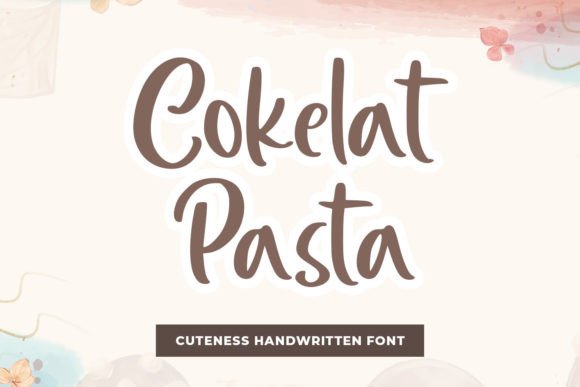
As a small shop owner who spends hours perfecting product labels, designing wedding invitations, and cutting stickers on my Cricut, I know that the right typeface can make or break a design. It is not just about picking something that looks pretty; it is about finding a script font that communicates the soul of your brand while remaining readable on a tiny candle jar or a large farmhouse sign. That is why I was so excited to discover Cokelat Pasta, a sweet and adorable handwritten font with a quirky vibe that feels like it was made specifically for the handmade community.
This typeface from Script Amp brings a unique personality to the table. Unlike stiff, over-polished digital fonts, Cokelat Pasta retains the charming imperfections of real handwriting. It has a bouncy, playful rhythm that instantly adds warmth to any project. When you are selling physical products, whether they are organic soaps, custom tote bags, or boutique clothing tags, customers are looking for that human touch. This handwritten font delivers exactly that, making your brand feel approachable, creative, and authentic.
Bringing Personality to Product Labels and Packaging
One of the most practical uses for Cokelat Pasta is in packaging design. If you run an Etsy shop or a local boutique, you know that your product label is often the first interaction a customer has with your brand. Using a generic sans serif font might look clean, but it rarely evokes emotion. Cokelat Pasta, with its quirky strokes and variable thickness, creates an immediate emotional connection.
I have found this font particularly effective for short phrases and titles. Imagine using it for the name of a limited-edition coffee blend on a kraft paper bag, or as the main title on a soy wax candle label. The letters have enough weight to stand out against textured backgrounds, yet they remain delicate enough to feel elegant. For holiday product packaging, such as Christmas cookie tins or Valentine's Day chocolate boxes, this font adds a festive, homemade feel that mass-produced typography simply cannot match.
However, readability is key when dealing with small spaces. While Cokelat Pasta is fantastic for display use, it is best reserved for names, logos, and headlines rather than long blocks of instructional text. For ingredient lists or care instructions on the back of a product, I recommend pairing it with a simple, clean serif font or a neutral sans serif. This contrast ensures that your branding pops while the necessary information remains easy to read.
Elevating Invitations and Stationery Designs
Beyond physical goods, Cokelat Pasta shines in the world of stationery and event design. Wedding planners and invitation designers are always on the hunt for a creative font that balances fun with sophistication. This font is perfect for casual weddings, baby showers, and birthday parties where the vibe is celebratory and relaxed.
Consider using Cokelat Pasta for wedding welcome boards or "Save the Date" cards. Its quirky nature suggests a party that will be full of joy and personality. For printable wall art, this display font works beautifully in motivational quotes or nursery decor. The irregular baseline and varying letter heights give the text a dynamic look, as if it were painted by hand directly onto the canvas.
For those creating digital downloads or planner pages, this font adds a layer of customization that buyers love. Whether you are designing sticker sheets for GoodNotes or creating SVG files for other crafters to use on their cutting machines, the versatility of Cokelat Pasta allows for endless combinations. It pairs exceptionally well with bold, geometric shapes, creating a modern typography aesthetic that feels current and fresh.
Practical Tips for Cutting Machines and Print
If you are a user of Silhouette or Cricut machines, working with script fonts can sometimes be tricky regarding cut lines and weeding. Cokelat Pasta is generally well-behaved, but there are a few things to keep in mind to ensure professional results. Because it is a handwritten style, some characters may have connecting strokes that are quite thin. When cutting vinyl for car decals or small product stickers, ensure your material is high quality to prevent tearing during the weeding process.
For smaller applications, like jewelry tags or favor boxes, test your print size first. While the font is legible, the quirky details can get lost if scaled down too far. I usually recommend keeping the height of the text above half an inch for vinyl cuts to maintain the integrity of the letterforms. When printing on cardstock for greeting cards, this font renders crisply, maintaining its charm even at moderate sizes.
Building a Consistent Brand Identity
Consistency is the cornerstone of a successful handmade business. Using Cokelat Pasta across your social media graphics, website headers, and physical merchandise helps build strong brand recognition. When a customer sees that specific quirky loop on your Instagram post and then recognizes it on your product packaging, it reinforces your brand identity.
This commercial font is designed to be versatile enough for logo design as well. Many successful small businesses build their entire visual identity around a single expressive script. If you choose Cokelat Pasta for your logo, consider how it will look in monochrome for stamping on fabric or embossing on leather goods. The thick and thin contrasts in the strokes usually translate well to these traditional crafting methods.
Before diving into your next project, always check the specific file formats included with your download. Most premium fonts from reputable sources like Script Amp come with OTF or TTF files that support a wide range of design software. Look for features like alternates, ligatures, or swashes, which can add extra flair to your designs. These OpenType features allow you to customize the look of specific words, ensuring that no two designs look exactly the same.
Finally, a crucial note on licensing: always review the commercial license terms before selling products made with Cokelat Pasta. Most font licenses allow you to use the typeface for physical end-products like shirts, mugs, and printed invitations sold to customers. However, rules regarding digital templates, SVGs for resale, or web design usage can vary. Ensuring you have the correct commercial font license protects your business and respects the hard work of the type designer.
Incorporating Cokelat Pasta into your creative workflow is more than just a design choice; it is a way to infuse your products with personality. Whether you are labeling jars of homemade jam, designing a suite of bridal shower invites, or creating a new line of apparel, this font offers the perfect blend of sweetness and quirkiness to help your creations stand out in a crowded market.